
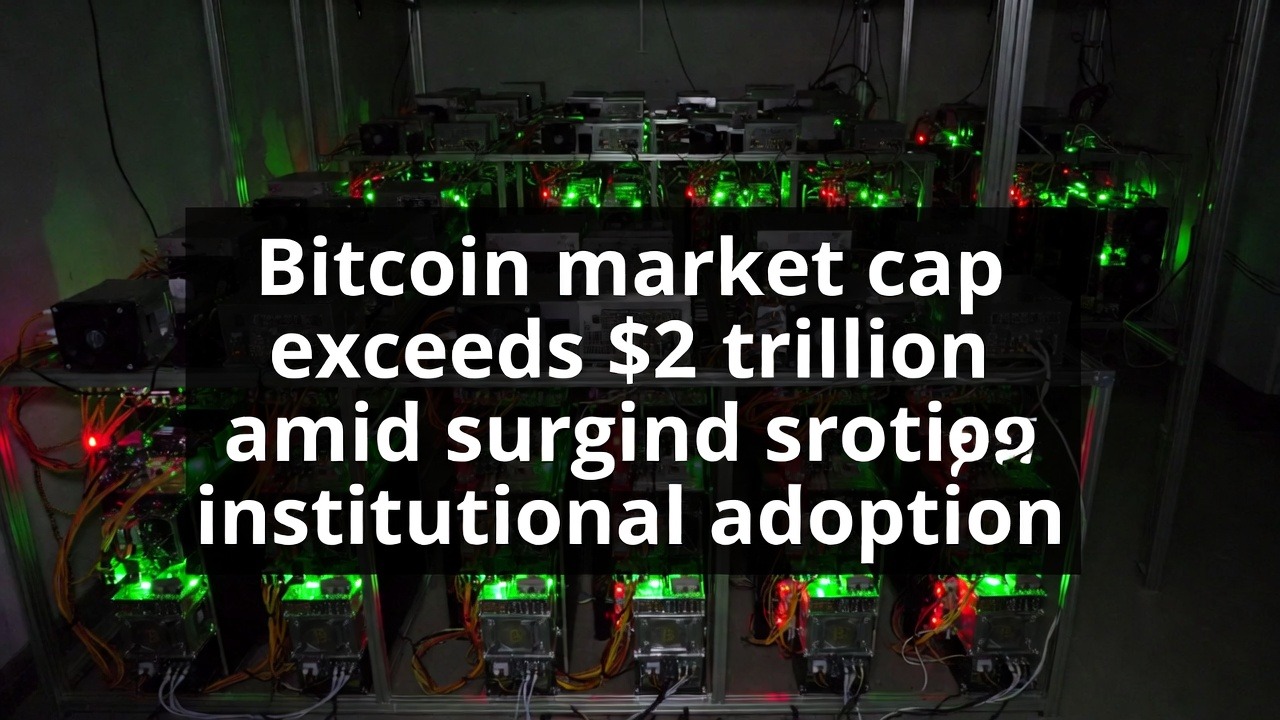

In the evolving landscape of corporate finance, cryptocurrencies like Bitcoin have emerged as alternative reserve assets, often dubbed “digital gold.” Companies such as MicroStrategy (now Strategy) and Tesla have popularized the concept of a “crypto treasury,” where firms allocate portions of their balance sheets to hold digital assets for long-term value preservation and potential appreciation. As of December 29, 2025, with Bitcoin’s market cap exceeding $2 trillion and institutional adoption surging, businesses are weighing two primary strategies for building such treasuries: purchasing cryptocurrency outright or investing in mining hardware to generate and retain mined coins.
This article compares and contrasts these approaches, focusing on their business implications—such as operational complexity, risk profiles, and profitability—and tax considerations under current U.S. law, including the impacts of the One Big Beautiful Bill Act (OBBBA) signed in July 2025. While both methods aim to accumulate crypto holdings, they differ significantly in execution, costs, and outcomes, making the choice dependent on a company’s risk tolerance, capital availability, and strategic goals.
Approach 1: Buying Cryptocurrency Directly
Business Implications
Purchasing cryptocurrency directly involves acquiring assets like Bitcoin through exchanges, over-the-counter (OTC) desks, or spot ETFs, then holding them in secure wallets or custodial services. This method is straightforward and appeals to corporations seeking simple exposure to crypto’s upside without operational overhead.
Pros:
- Simplicity and Liquidity: No need for specialized infrastructure or expertise. Companies can quickly buy and sell large volumes, making it ideal for treasuries focused on hedging inflation or diversifying from fiat currencies. Firms like Strategy have amassed billions in Bitcoin by issuing convertible debt to fund purchases, leveraging low-interest borrowing to amplify returns.
- Direct Price Exposure: Gains are tied purely to market appreciation, avoiding external factors like energy prices or hardware efficiency. This can outperform mining during bull markets.
- Lower Entry Barriers: Suitable for non-tech firms; minimal ongoing costs beyond storage and security.
Cons:
- No Ongoing Generation: Unlike mining, this is a one-time investment without passive income streams.
- Opportunity Cost and Volatility: Capital is locked in a highly volatile asset, potentially limiting funds for core business operations. Leverage amplifies risks.
- Regulatory and Custodial Risks: Dependence on third-party custodians exposes firms to hacks or regulatory shifts.
Overall, this approach suits established companies with excess cash, emphasizing long-term holding over active management.
Tax Implications
Under IRS rules, cryptocurrencies are treated as property for federal tax purposes.
- Acquisition and Holding: Buying crypto is not a taxable event. The cost basis is the purchase price plus fees.
- Disposition: Sales or exchanges trigger capital gains/losses. Long-term gains (held over one year) are taxed at the corporate rate of 21%.
- Other Considerations: No immediate deductions for purchases, but losses can offset gains. The OBBBA did not introduce crypto-specific tax breaks here.
This tax treatment favors patient holders, deferring liabilities until realization.
Approach 2: Buying Mining Hardware and Keeping Mined Crypto
Business Implications
This strategy entails purchasing specialized hardware (e.g., ASICs), setting up operations, and mining Bitcoin, with rewards retained in the treasury rather than sold immediately.
Pros:
- Ongoing Asset Generation: Mining produces a steady stream of Bitcoin, potentially building the treasury faster during profitable periods.
- Diversification and Resilience: Firms can hedge against price drops by continuing to mine.
- Strategic Advantages: Access to cheap energy can create competitive edges, and mining firms often pivot to AI computing.
Cons:
- High Operational Complexity: Requires expertise in hardware management and energy procurement. Ongoing expenses (especially electricity) are substantial.
- Volatility and Risks: Profitability fluctuates with Bitcoin price, difficulty, and halvings. Hardware obsolesces quickly.
- Scale Requirements: Profitable only at scale.
This method suits energy-savvy or tech-oriented firms, transforming treasury building into an active business line.
Tax Implications
- Income Recognition: Mined coins are ordinary income at fair market value upon receipt, taxed at corporate rates.
- Deductions and Depreciation: Electricity and operations are deductible. The OBBBA’s permanent 100% bonus depreciation allows full write-offs for mining equipment in the purchase year.
- Subsequent Sales: Basis equals FMV at mining; gains/losses are capital.
The OBBBA makes mining more tax-efficient by accelerating deductions, potentially offsetting income entirely in early years.
Comparison and Contrast
Business Side
| Aspect | Buying Directly | Mining and Holding |
|---|---|---|
| Complexity | Low (trading/custody) | High (ops, maintenance) |
| Upfront Costs | Variable (asset price) | High (hardware + setup) |
| Ongoing Revenue | None (appreciation only) | Yes (mined BTC) |
| Risk Profile | Market volatility | Market + operational + tech obsolescence |
| Scalability | Easy via markets | Requires infrastructure expansion |
Tax Side
| Aspect | Buying Directly | Mining and Holding |
|---|---|---|
| Income Trigger | On sale/exchange | On mining receipt |
| Tax Type | Capital gains | Ordinary income + capital on sale |
| Deductions | Limited (losses offset) | Extensive (expenses, 100% depreciation) |
| Cash Flow Impact | Deferred taxes | Upfront tax but potential NOLs |
| 2025 Changes | Enhanced reporting | Bonus depreciation boon |
Conclusion: Choosing the Right Path
Direct buying offers simplicity and tax deferral, making it preferable for conservative treasuries focused on preservation amid 2025’s fiscal uncertainties. Mining, bolstered by the OBBBA’s depreciation perks, appeals to aggressive firms willing to trade complexity for production potential and tax savings. Ultimately, the decision hinges on business strategy: If your goal is pure exposure, buy; if it’s active accumulation with tax optimization, mine. Consult tax professionals, as state laws and IRS audits add layers. As crypto matures, hybrid approaches may emerge, blending both for balanced treasuries.